 Your body, wrote Mary Wood-Allen, M.D., is not you. It is your dwelling, but not you. It does, however, express you.
She explains: A man builds a house and, through it, expresses himself. As someone else looks at the house and then walks through it, they will learn a great deal about the man. The outside will give evidence of neatness, orderliness, and artistry or it may show that he cares nothing for elements of beauty and neatness. His library will reveal the character of his mind. Care of his house — preservation of its health — speaks of respect and value.
The author of the book found among my grandmother’s treasures notes that many young people just want to have a “good time.” Dr. Allen wrote that she heard many young people remark that it’s o.k. for the “old folks” to take care of their bodies and health, but “I don’t want to be so fussy . . . I’d rather die ten years sooner and have some fun while I do live.”
But, what serious pianist would neglect the care of his piano because it’s too “fussy” and then add, “I’ll treat it more kindly when it’s old”? Dr. Allen observed that, too often, we prize the body far more after its use for us is at an end than while it is ours to use. We don’t neglect the dead; we dress them in beautiful garments, we adorn them with flowers, we follow them to the grave with religious ceremonies, we build costly monuments to place over their graves, and then we go to weep over their last resting-place.” I wonder: Do we treat our living, breathing bodies with such respect? Do we treat the living, breathing bodies of others with such care?
There are those among us who consider themselves “progressive.” A “progressive” would find no value in “going back” to a book from their grandmother’s collection. But, in reading What A Young Woman Ought to Know by a woman physician published in 1898, I am more deeply committed to the Titus 2 style of mentoring. Yes, there are trends. There are new styles. Technology changes, even improves. But, care of our bodies is a truth that does not change with time. What we do to and with our bodies, what we put in them, how we dress them, what environment we allow them to be in, and how we expect others to treat them matters today as much as it did yesterday.
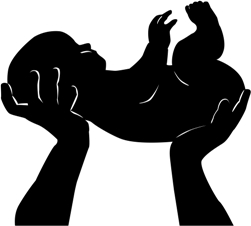
Does it matter how we treat our bodies? The answer to that question depends on what we believe about our origin. Are we here by chance, just accidents of nature? Or, are we “knit together in our mother’s wombs” by God Himself (Psalm 139)? Is the value of our bodies determined by how we or others see them, or by the price that Jesus Christ paid for them?
Dr. Allen asks:
Is it not life that we should value? Life here and hereafter, not death, is the real thing for which we should prepare . . . Life should increase in beauty and usefulness, in ability and joyousness, as the years bring us a wider experience, and this will be the case if we in youth have been wise enough to lay the foundation of health by a wise, thoughtful, prudent care of our bodies and our minds.








 Ezerwoman's Blog
Recommended Reading
Posted in Citizenship, Commentaries of others, Culture Shifts, Faith & Practice, Life issues, tagged book review, David Kupelian, good vs. evil on January 6, 2011| Leave a Comment »
Kupelian writes from a unique perspective which may surprise you.
Kupelian notes that evil comes from pride, arrogance, envy; in other words, original sin. He is not afraid to blow the whistle on what’s happening in our homes, schools and government.
I recommend that you order How Evil Works. Kupelian reveals the hidden mechanisms that allow lies and deception to take root in modern America, but also offers suggestions to “prevail in a culture gone mad”. Here are a few highlights:
David Kupelian reminds us that God’s Word admonishes us mortals to choose life over death, good over evil.
How Evil Works addresses topics of sexual anarchy, terrorism, mental illness, false gods, militant atheism, the war on fathers, and the mysterious power of hate. Kupelian offers rare insights from persecuted saints of the past. As a man of hope in the battle between good and evil, Kupelian offers suggestions for prevailing against a culture gone mad.
You won’t be disappointed.
Read Full Post »